Sama as a Director and Producer
My path to directing emerged from a deep need to give voice to the stories I couldn’t tell through acting alone. In the final years of my undergraduate studies in Iran, I felt an urgent call to direct—not as a career move, but as an act of resistance and reclamation. In a society where voices like mine were often silenced, directing became a way to ask questions, challenge norms, and carve out space for truth.Faced with rigid governmental oversight, I also stepped into the role of producer—initially out of necessity, but eventually by choice. Producing allowed me to safeguard my artistic vision and offer a protective space for other artists to create freely. Together, we formed small, resilient collectives—creative sanctuaries where bold ideas could flourish despite the constraints.This dual role became central to my practice, evolving further as I pursued advanced studies in Germany. There, I refined my aesthetic and critical voice, blending my lived experience with academic insight. Today, directing and producing are more than artistic roles for me—they are powerful tools of transformation. Through them, I continue to reimagine narratives—my own and others’—as acts of agency, resistance, and connection.
Days on the way 2021 Tehran, Iran
The project “Days on the Way” unfolds as an autobiographical-documentary theatre piece, offering a nuanced narrative of three women within Iranian society. This creative endeavor is a manifestation of my doctoral research, “Self-formation processes in autobiographical theatre.” Commencing in October 2021 during my sojourn in Iran, this exploration captures the stories, memories, and images of the performers, woven through eight scenes addressing themes such as creation, home, acting, abandonment, death, absence, and depression.
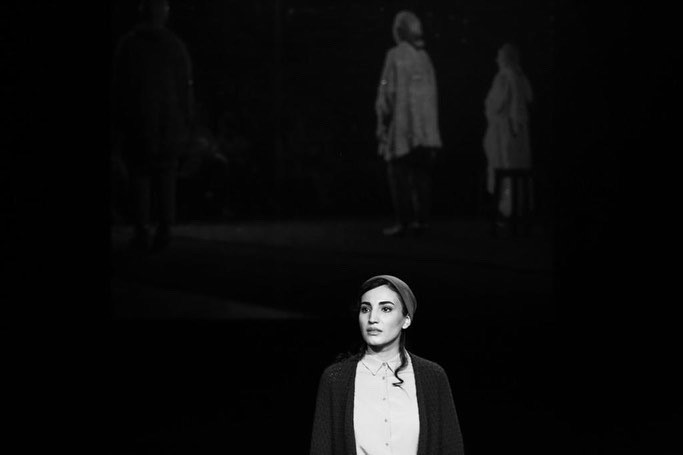
Notably, “Days on the Way” is performed on an all-black stage, with the audience seated opposite. The unique staging involves high-resolution images projected on the wall by a beamer, simultaneously filmed by the actor. In this innovative production, I served as the researcher, co-dramaturge, director, and one of the actors. Performers engage in a self-observing style of playing, with their stories presented in a way that a cameraman captures them throughout the performance, creating a live visual narrative through a projector. This multifaceted role adds a layer of self-reflection to the storytelling process, enhancing the audience’s immersive experience.
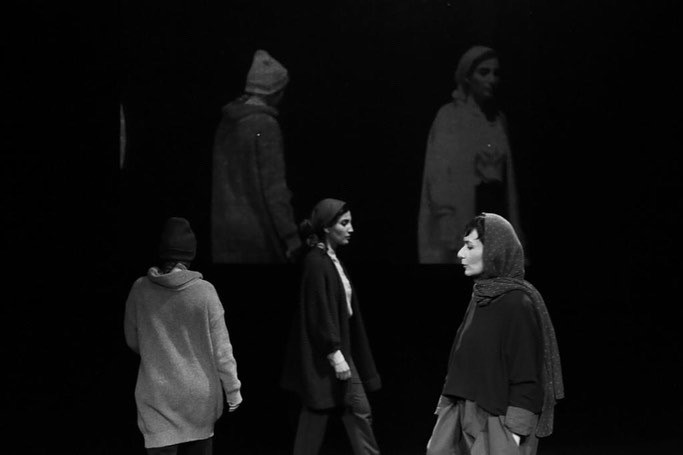
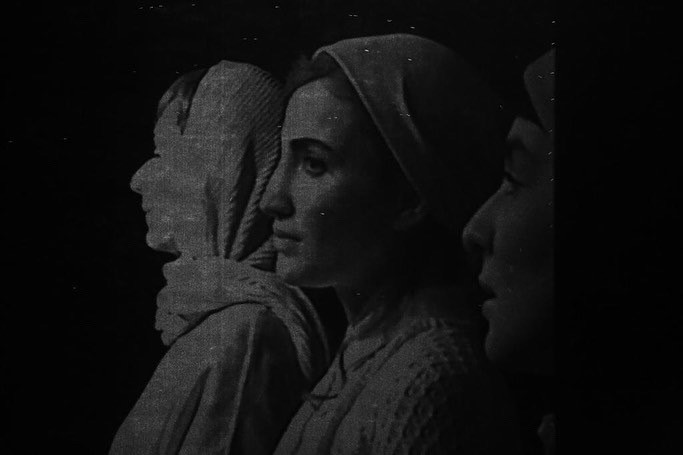
Remembrance 2019 Tehran, Iran
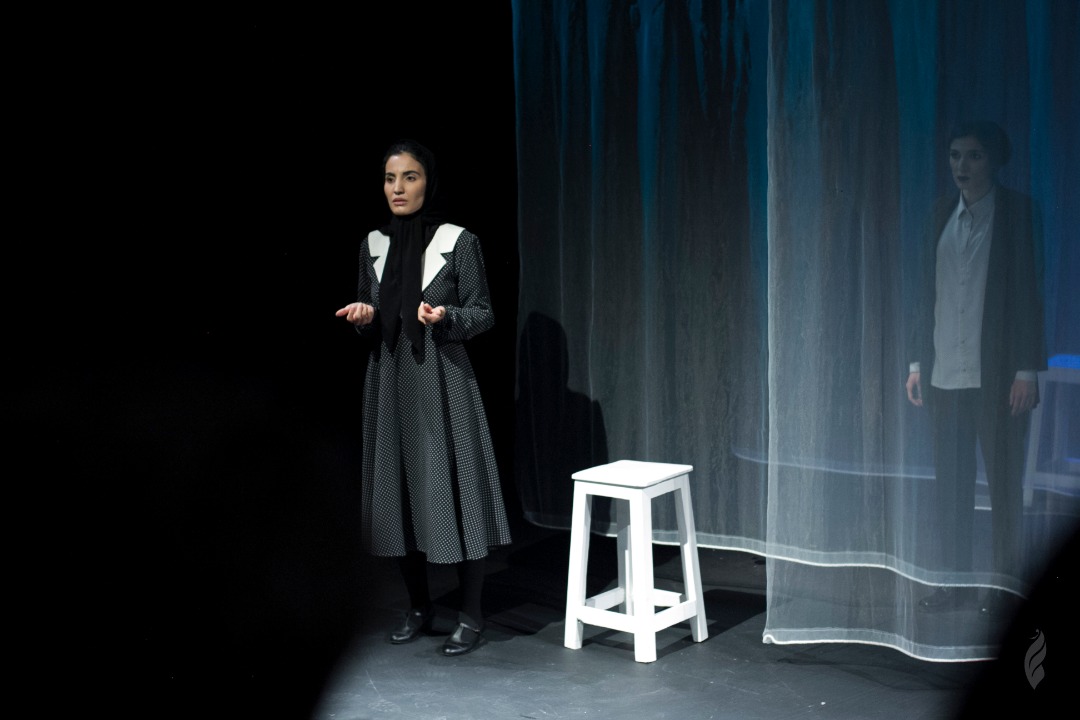
weaves together the narratives of acclaimed authors Herta Müller from Romania and Simin Daneshvar from Iran, bound by a common thread: Revolution. This bilingual play, performed in German and Farsi, unfolded its reflective tale in black box theaters in Tehran and Germany.As the researcher, actor, and director, I delved into the profound impact of revolutions on these women’s lives and writing styles. The play is a journey through their past, exploring memory’s limits and what it leaves behind. Meticulously crafted from archived data, interviews, films, and reports, the narrative reconstructs personal setbacks and triumphs.The black box setting, with long white nets symbolizing layers of the human mind, created a metaphor for the complexities of remembering. During the performance, video projections showcased real images, offering glimpses into the lives of the authors. Internet-sourced information unfolded as the characters rebuilt their lives. “Remembrance” is not just a play; it’s an immersive experience, blending live performance with multimedia elements to engage and captivate audiences in a unique exploration of memory and history.
Link to the performance – Link to the review – Link to the interview
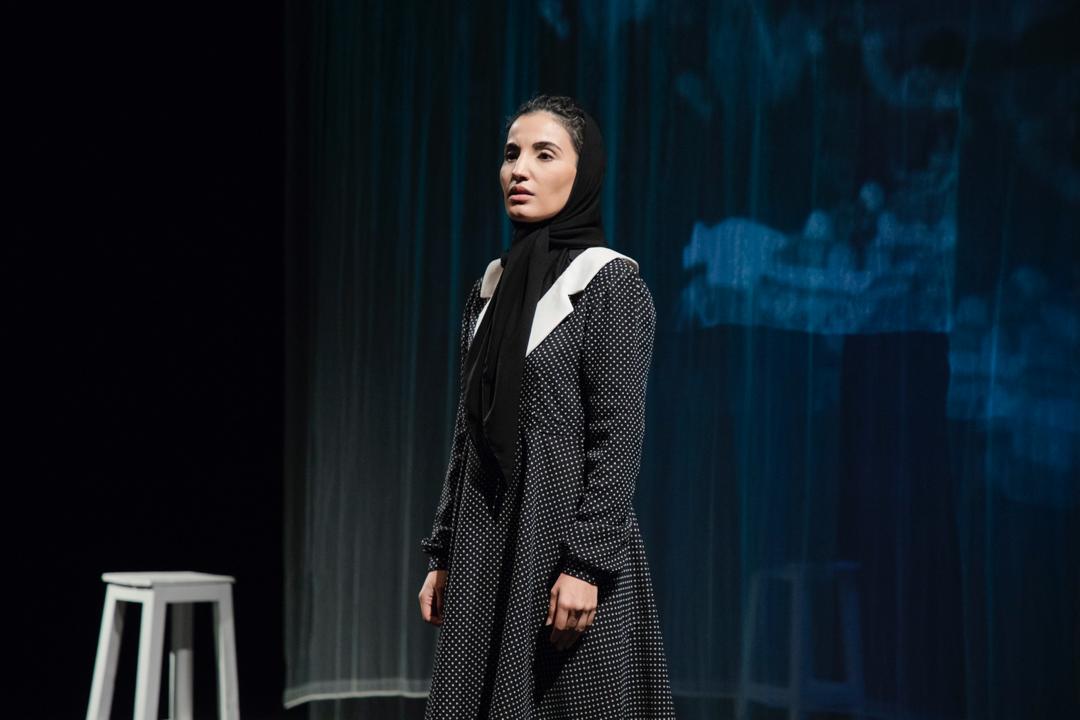
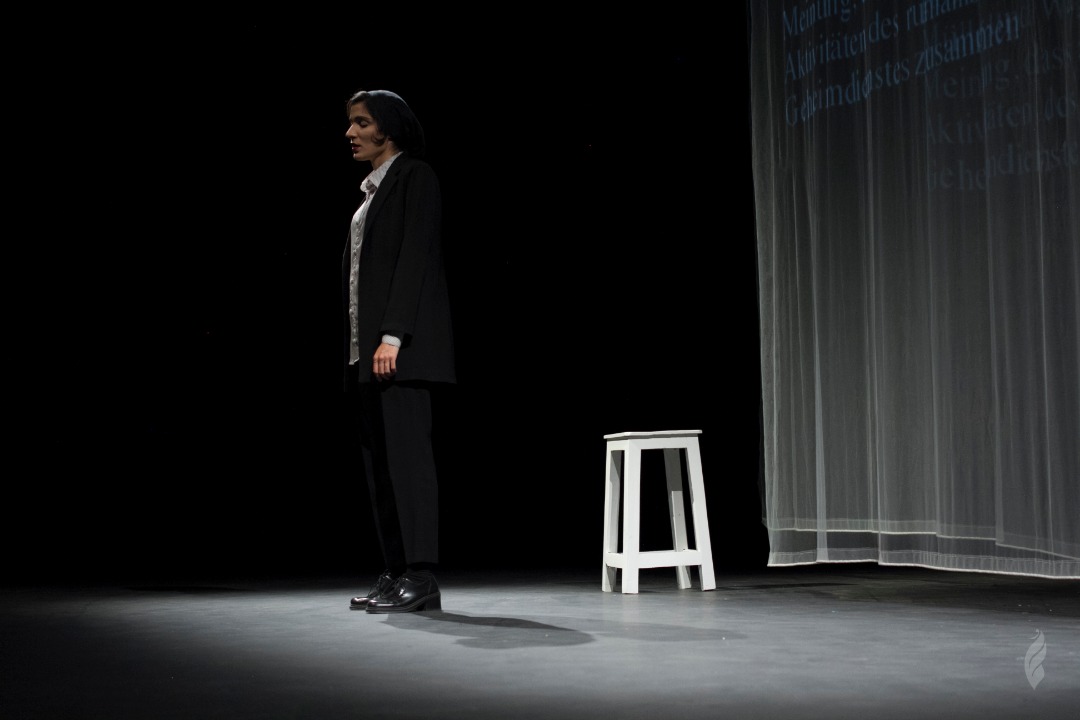
People I Don’t See 2018 Tehran, Iran
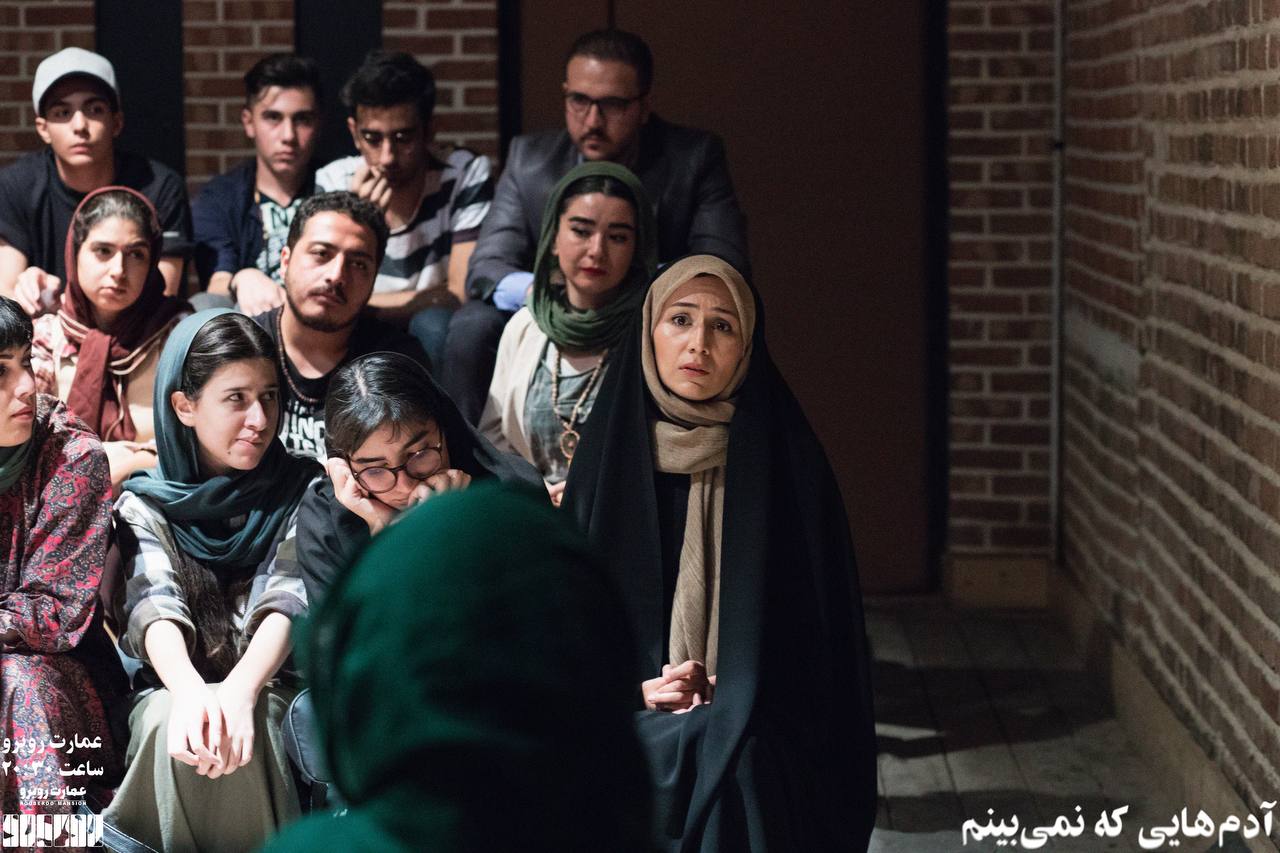
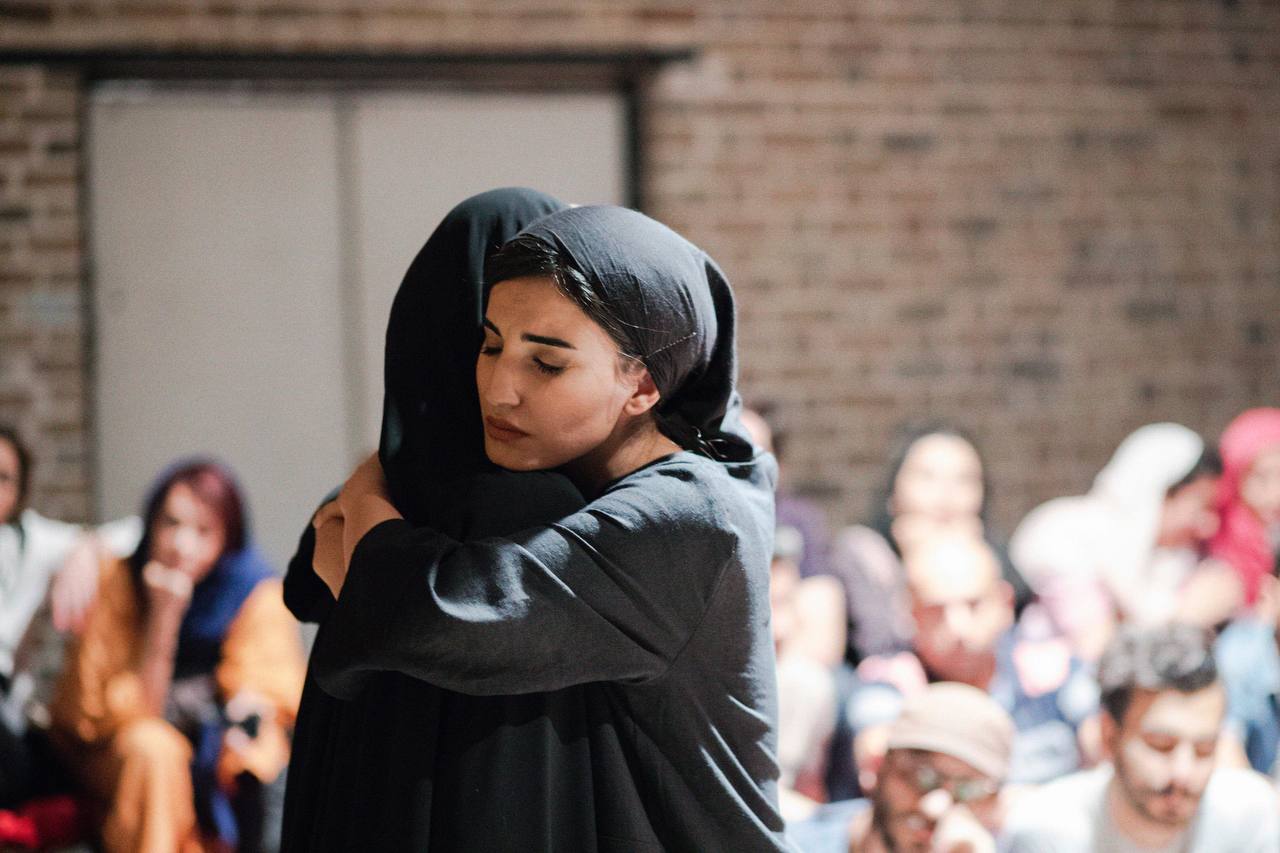
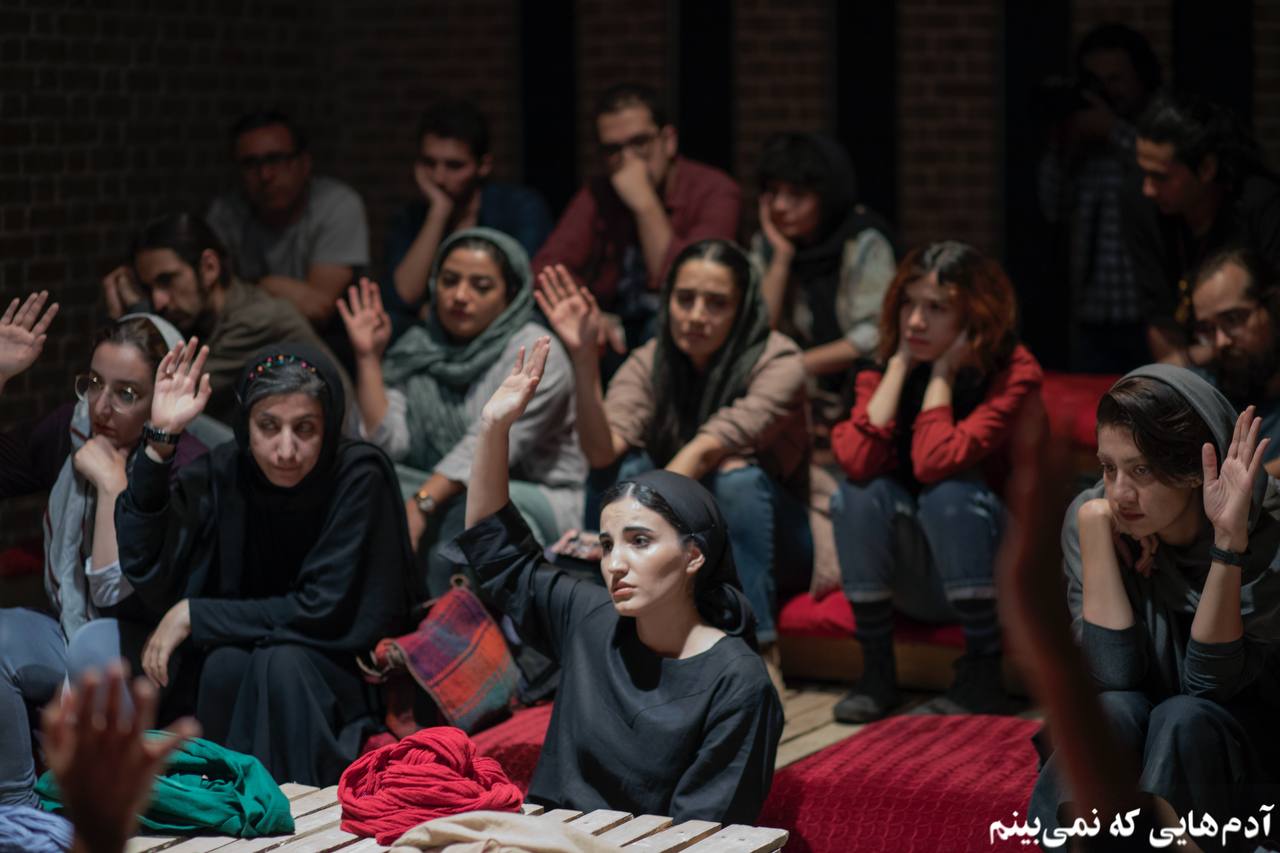
People I Don’t See, my debut documentary play, was developed during my Master’s program in Theatre in Social Context. The play investigates generational dynamics in post-Islamic Revolution Iran by exploring the lives of women born in three pivotal decades—1980, 1990, and 2000. Through recorded stories and staged encounters, it examines ordinary lives without resorting to heroism, instead highlighting everyday nuances, patterns of communication, and shifting social perceptions.This was also the first play in which I chose to perform myself. Until then, I had resisted acting in my own works, but after several formative experiences I found the courage to take that step. As researcher, director, and actor, I embraced this layered role, and my performance was honored with the Best Actress Prize at the 37th International Fadjr Theatre Festival in Iran.The staging reflected the play’s documentary ethos: role reversals between actors disrupted expectations, movements remained minimal and deliberate, and the audience sat facing one another, intensifying the sense of shared presence. Ultimately, People I Don’t See unfolded a poignant narrative of Iranian society across four decades, offering a raw and unconventional perspective on memory, identity, and the realities of everyday life.
YERMA 2014 Tehran, Iran
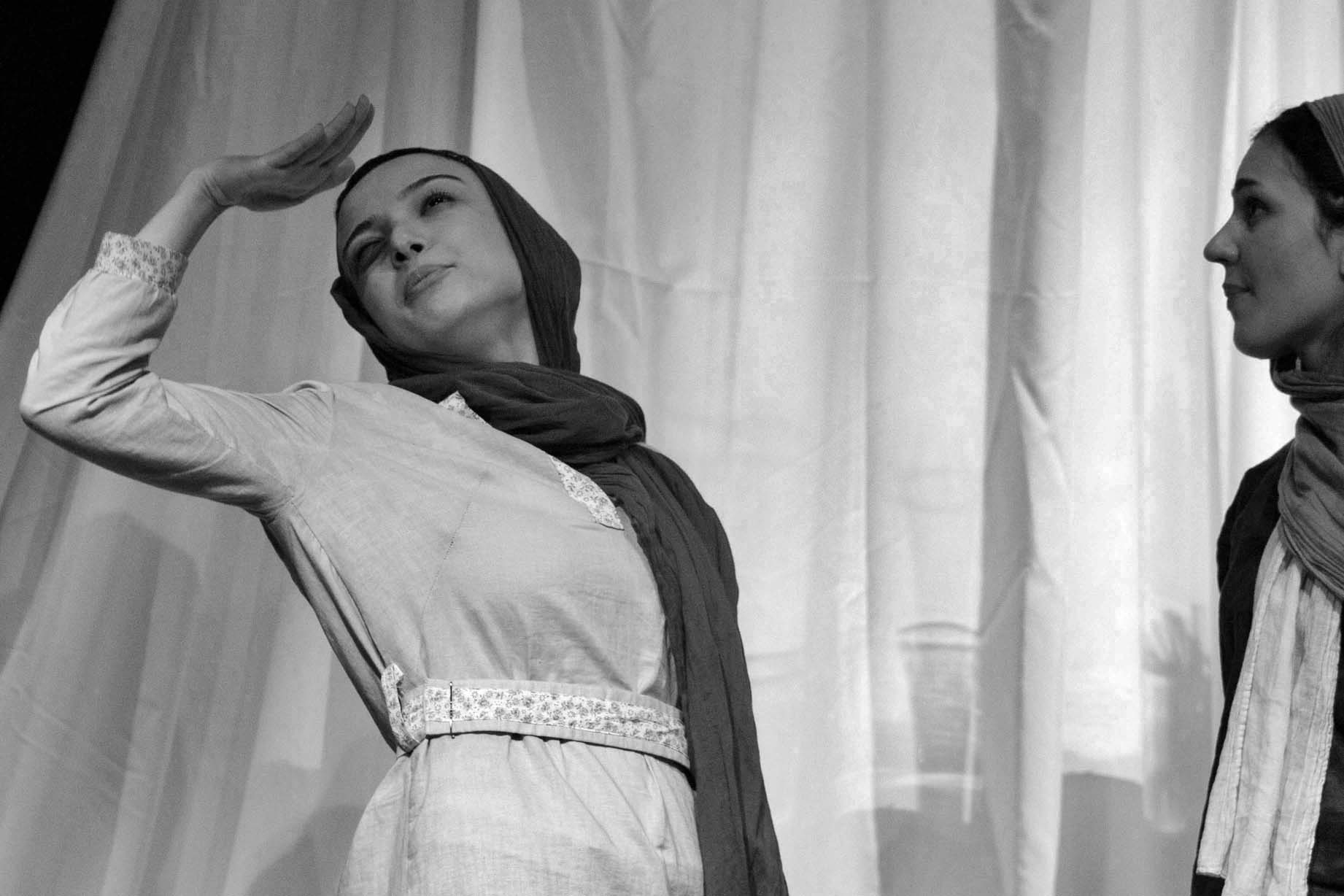
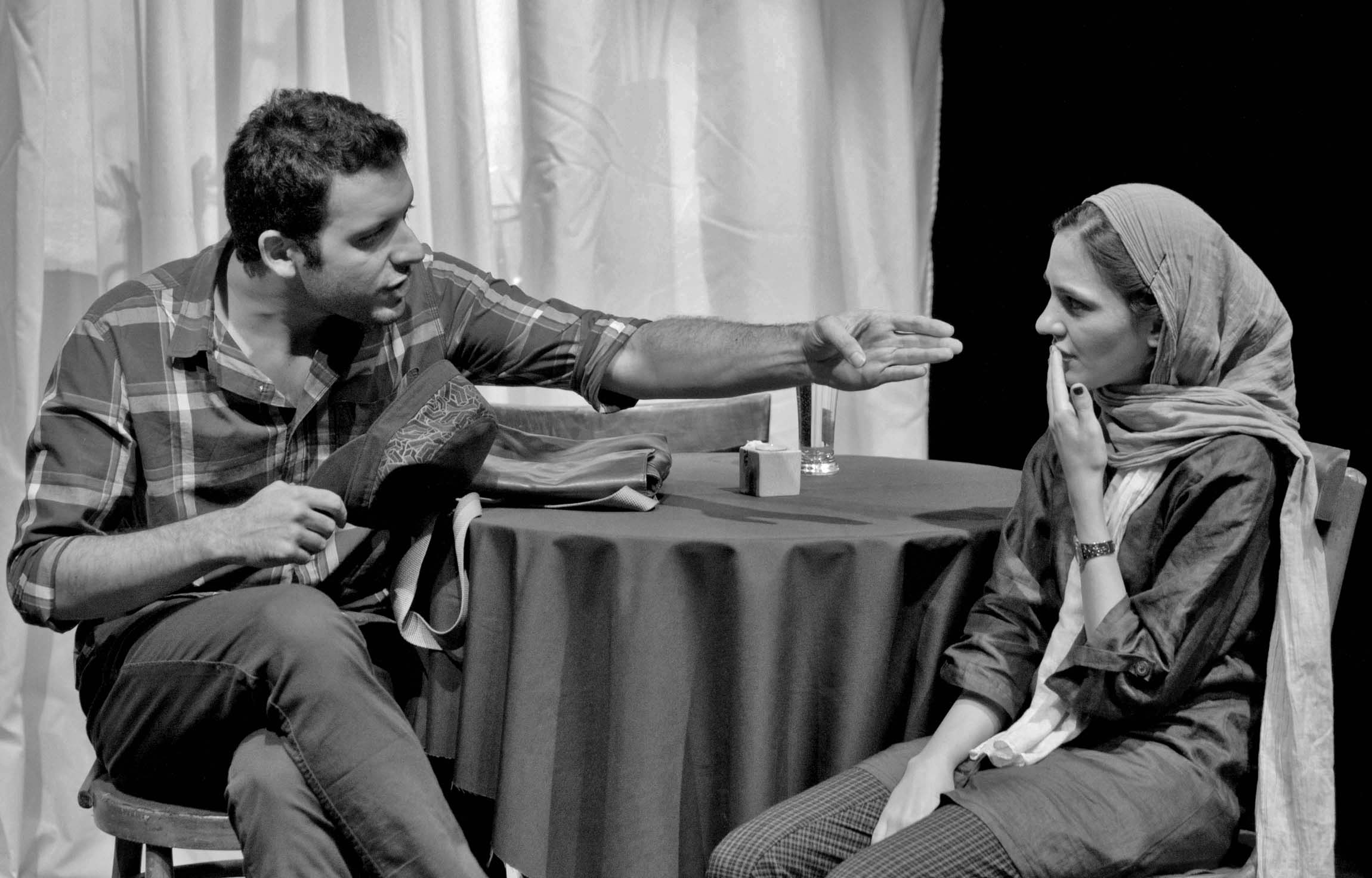
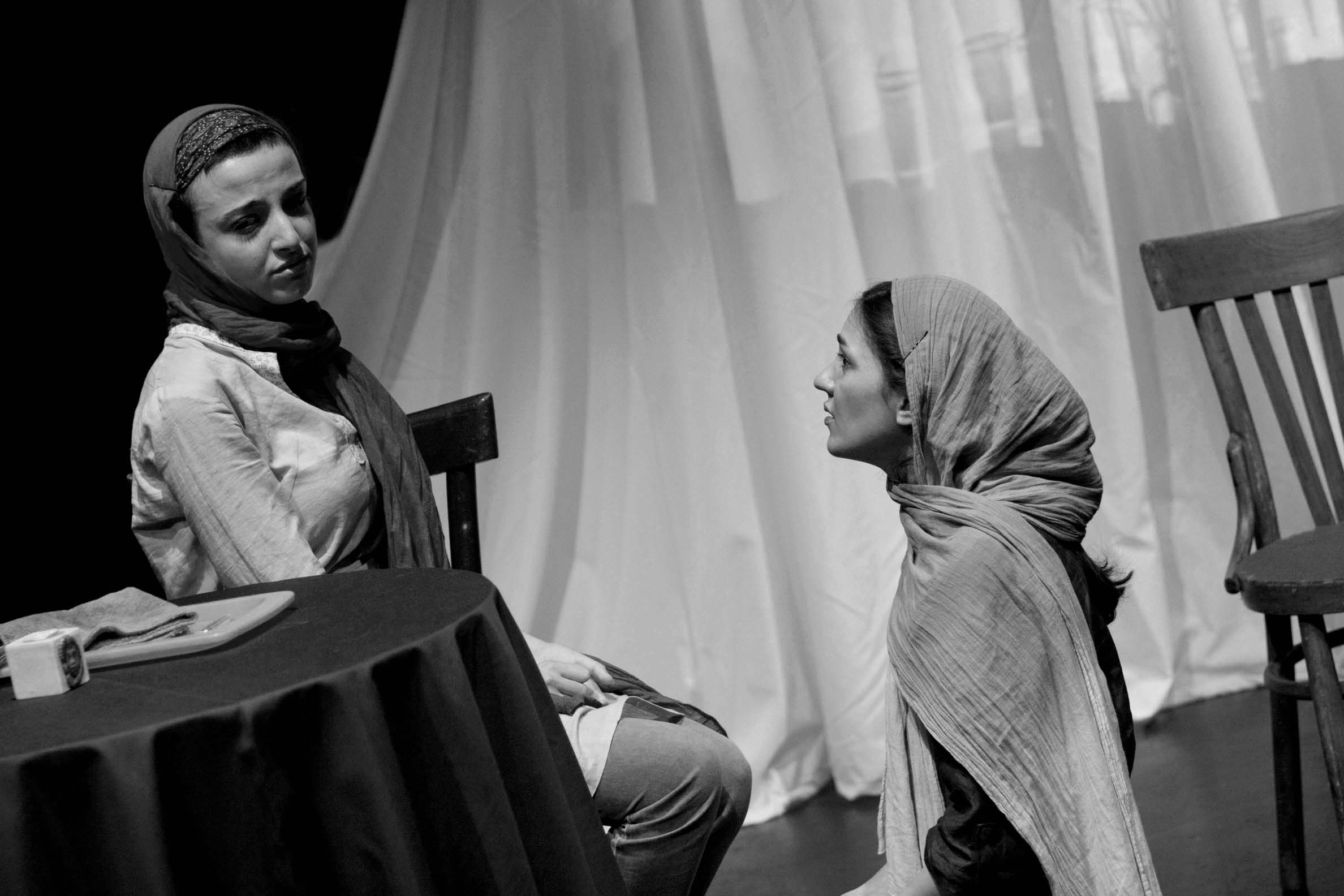
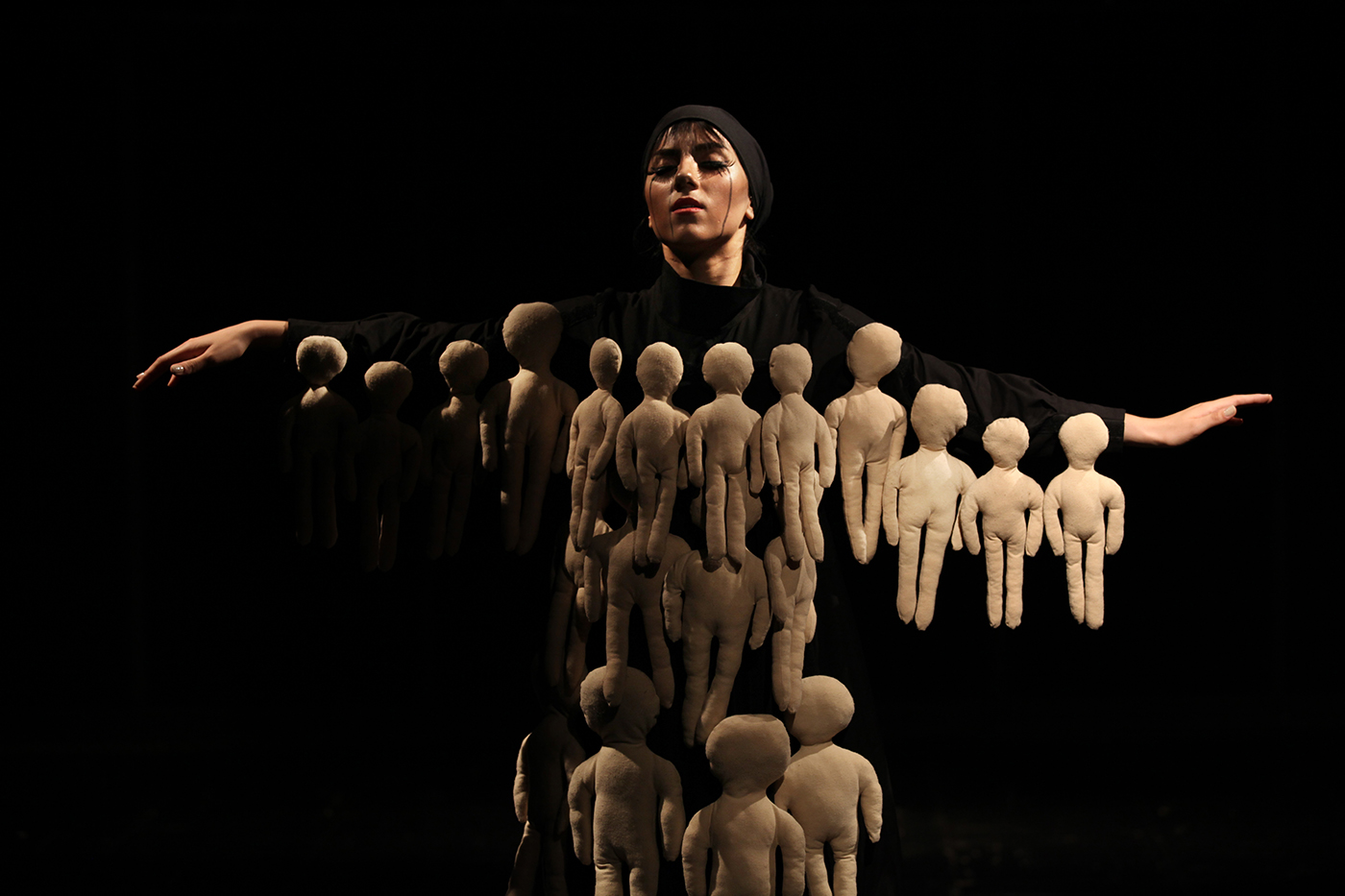
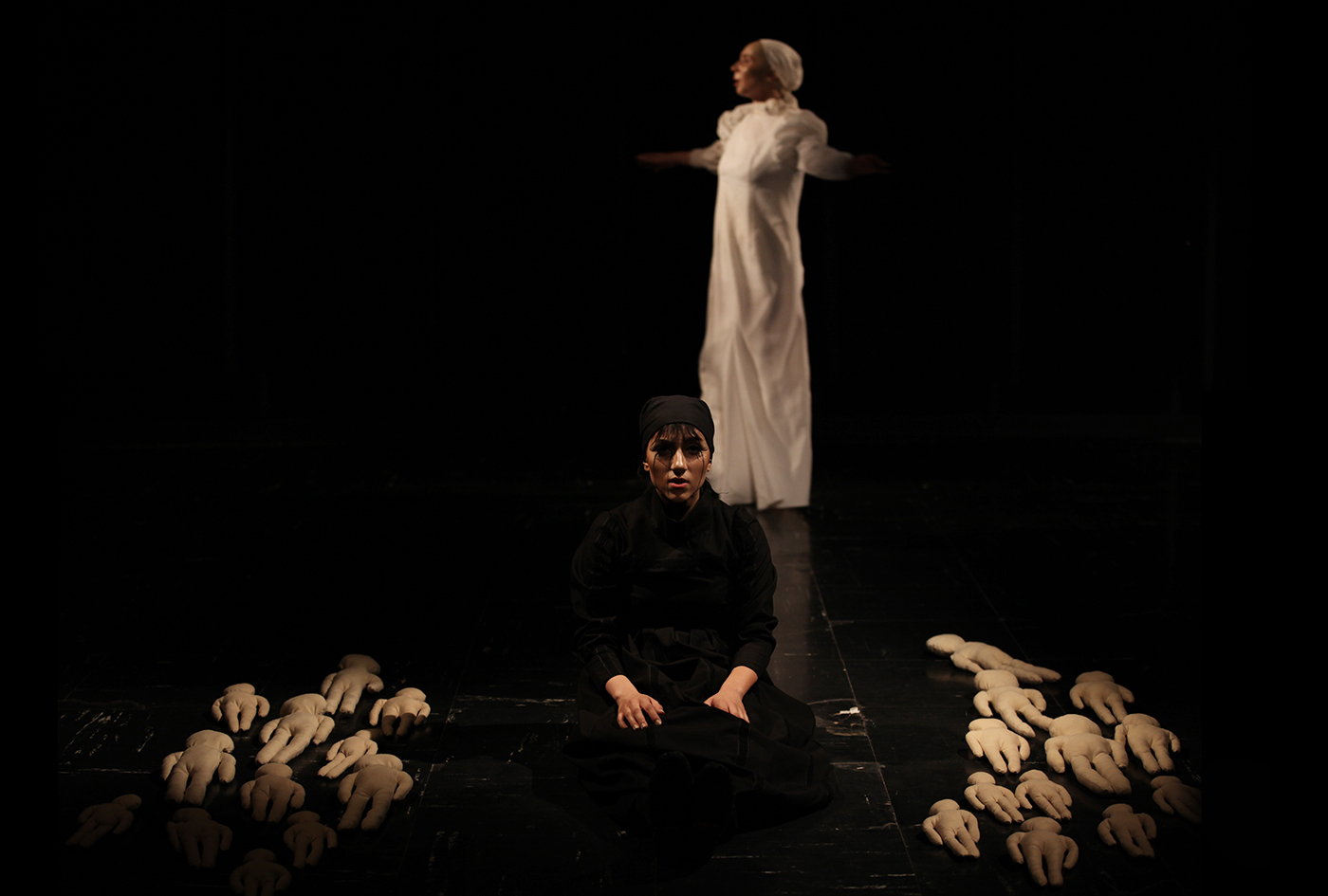
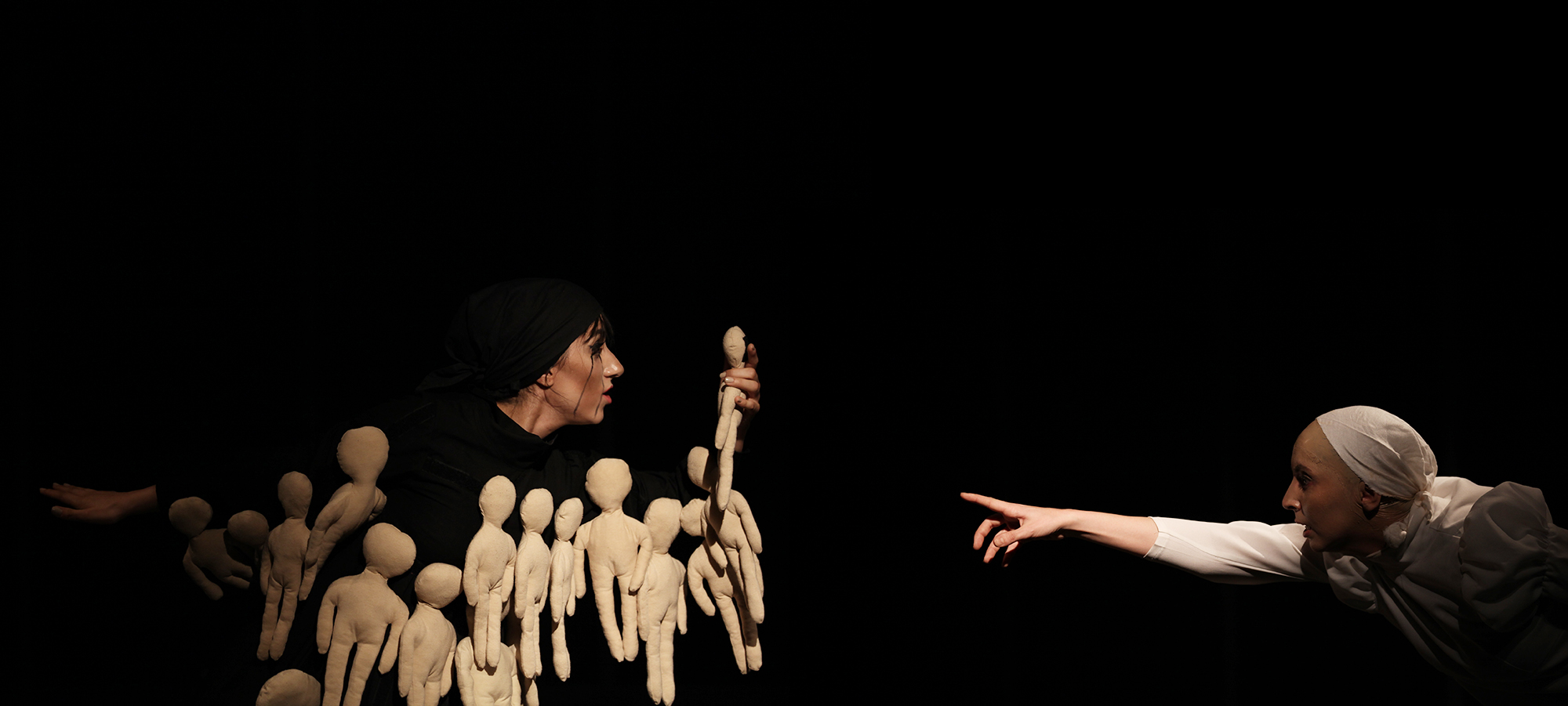
This production, written by Niloufar Nedaei and directed by me, was a free and minimalist interpretation of Federico García Lorca’s Yerma. By stripping away folkloric and regional elements, we relocated the play into a timeless, placeless setting, focusing on universal oppositions such as fertility/sterility and femininity/masculinity.The staging emphasized stark contrasts: Yerma in white opposite a childlike figure in black, with dolls symbolizing unborn children. Stylized acting techniques, biomechanical movement, and abstraction replaced traditional narrative structure, inviting the audience to focus on conceptual tensions rather than linear storytelling.Performed by Yalda Sarafi and Anita Alimadadi, this experimental adaptation aimed to distill Lorca’s text to its essential themes. It stood out for its bold visual language and daring use of minimalism, marking an important early step in my journey as a director.
Winter Journey and an Unrelated Story 2013 Tehran, Iran
My directorial debut, Winter Journey and an Unrelated Story, began as my own concept and was brought to life by the playwright Soroush Ghasemian. Featuring the performances of Neda Jebraeili, Mona Ahmadi, and Pedram Sharifi, the play delved into themes of honesty and betrayal. It explored a dual narrative where silence and secrecy eventually give way to revelation, and where unspoken truths lead to a profound sense of betrayal. The use of pauses and moments of silence on stage was particularly impactful, creating a tension that resonated deeply with the audience.Premiering at the University of Tehran’s Experimental Theatre Festival in 2012, and later performed at both Molavi Hall and the City Theatre of Tehran in 2013, this production not only marked my first experience as a director but also earned me recognition as the Best Emerging Director of 2013 by the Iranian Association of Theatre Directors.